One of the main concerns for travelers visiting Andean destinations such as Cusco, Puno, or Arequipa is altitude sickness, known in Peru as soroche. Although it is a common condition, understanding what it is, why it happens, and how to prevent it allows travelers to enjoy their trip with greater peace of mind and safety.
What Is Altitude Sickness?
Altitude sickness is a natural reaction of the body to the reduced oxygen levels found in places located above 2,500 meters (8,200 feet) above sea level. When arriving at these elevations, the body needs time to adapt, and during this process, certain symptoms may appear—especially in people coming from sea-level areas.
Most Common Symptoms
Symptoms of altitude sickness vary from person to person and can be mild to moderate. The most common include:
- Headache
- Feeling tired or weak
- Shortness of breath while walking
- Nausea or dizziness
- Loss of appetite
- Difficulty sleeping
In most cases, these symptoms are temporary and disappear within one or two days.
Who Can Experience It?
Anyone can experience altitude sickness, regardless of age or physical condition. Even young and active travelers may feel some symptoms. It does not depend on gender or previous mountain experience, but rather on how each body reacts to high altitude.
Tips to Prevent Altitude Sickness
Prevention is the best way to deal with altitude sickness. Some important recommendations include:
- Rest on the first day and avoid intense physical activity.
- Walk slowly, especially when climbing stairs or uphill.
- Stay well hydrated by drinking water frequently.
- Avoid heavy meals and alcohol during the first 24 hours.
- Get enough sleep and allow the body to adapt gradually.
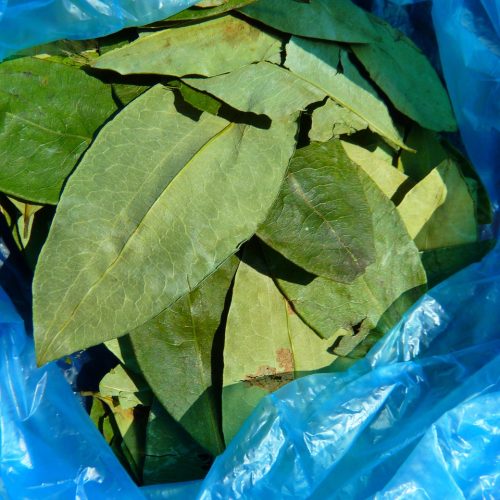
Many hotels offer traditional herbal infusions such as coca tea, which is widely used in the Andes to help relieve symptoms.
Medication and Medical Support
Some travelers choose preventive medication recommended by their doctor before traveling. There are also altitude sickness pills available at local pharmacies. In tourist destinations, hotels often have oxygen available, and staff are trained to provide basic assistance in case of discomfort.
Is Altitude Sickness Dangerous?
In its most common form, altitude sickness is not dangerous and is part of the body’s natural adaptation process. However, if symptoms worsen or do not improve with rest, it is important to inform a guide, hotel staff, or seek medical attention. Severe cases are rare, especially when basic recommendations are followed.
Traveling at a Relaxed Pace Is Key
Proper itinerary planning makes a big difference. It is recommended not to schedule demanding excursions on the day of arrival at high-altitude destinations and to leave activities such as hiking or mountain tours for after at least one acclimatization day.
Altitude sickness should not be a reason to miss out on the breathtaking landscapes of the Peruvian Andes. With proper information, prevention, and a relaxed pace, the vast majority of travelers enjoy their experience without major issues.